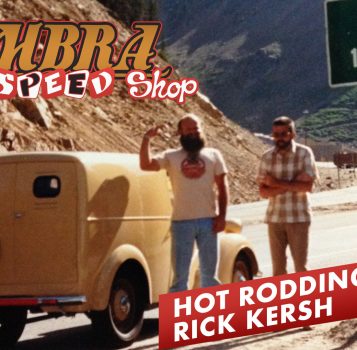
Built to Make Things Right: Meet Rick Kersh
Some guys get into cars later in life. Maybe they buy a hot rod, start going to shows, then slowly catch the bug.
Rick Kersh never had a chance.
Cars, fabrication, racing and building things were already part of the family long before he was old enough to reach the pedals. His father had been messing with cars his entire life, and Rick jokes that he has been around them since he was “knee-high to a grasshopper.”
Today, Rick brings that lifetime of experience to Cambra Speed Shop, where he has spent over a dozen years doing what he has always enjoyed most: fabricating, solving problems and making things work the way they should.
But Rick’s story started decades before he walked through the doors at Cambra.
Raised Around Hot Rods
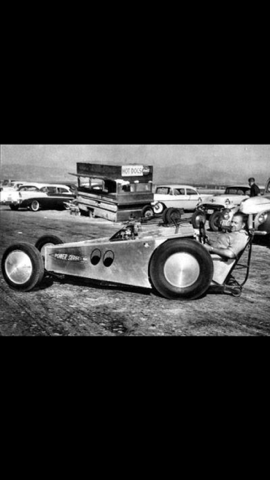
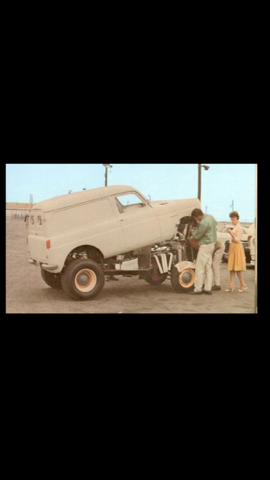
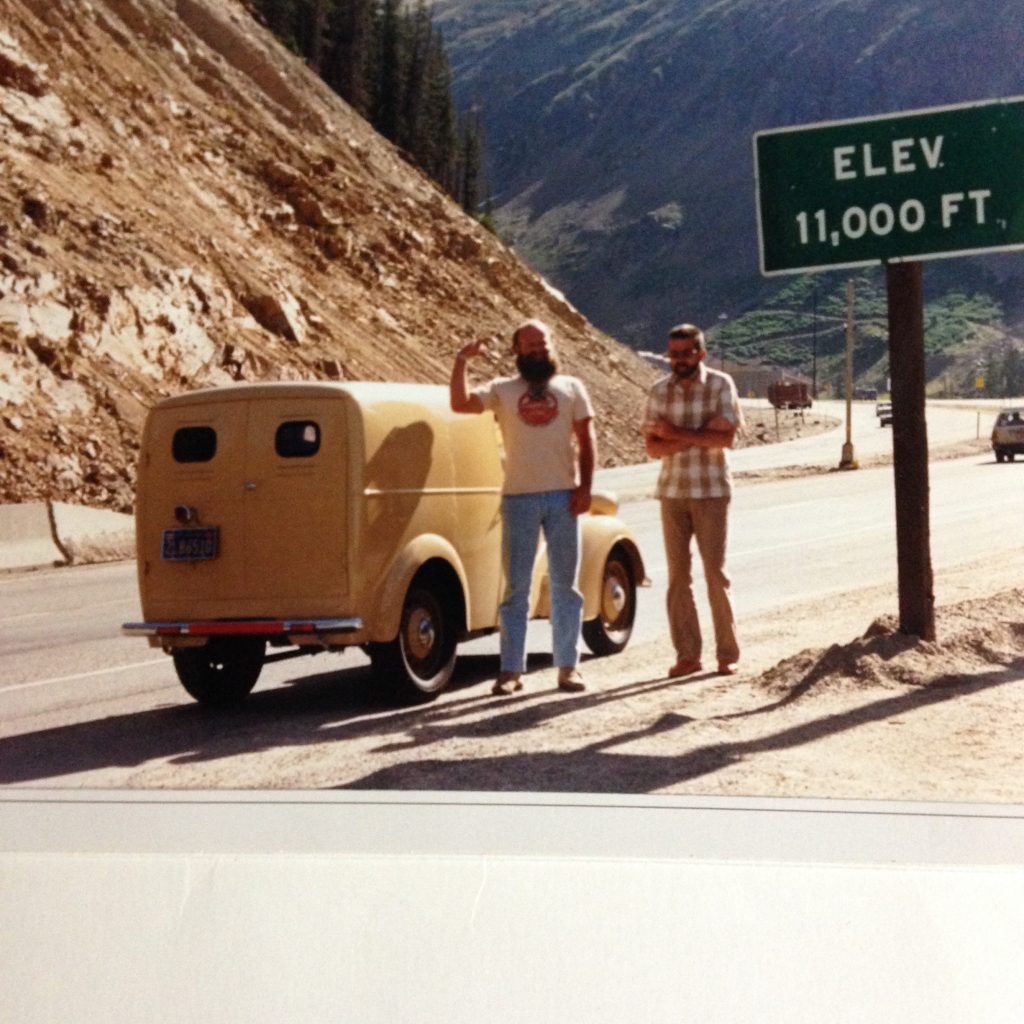
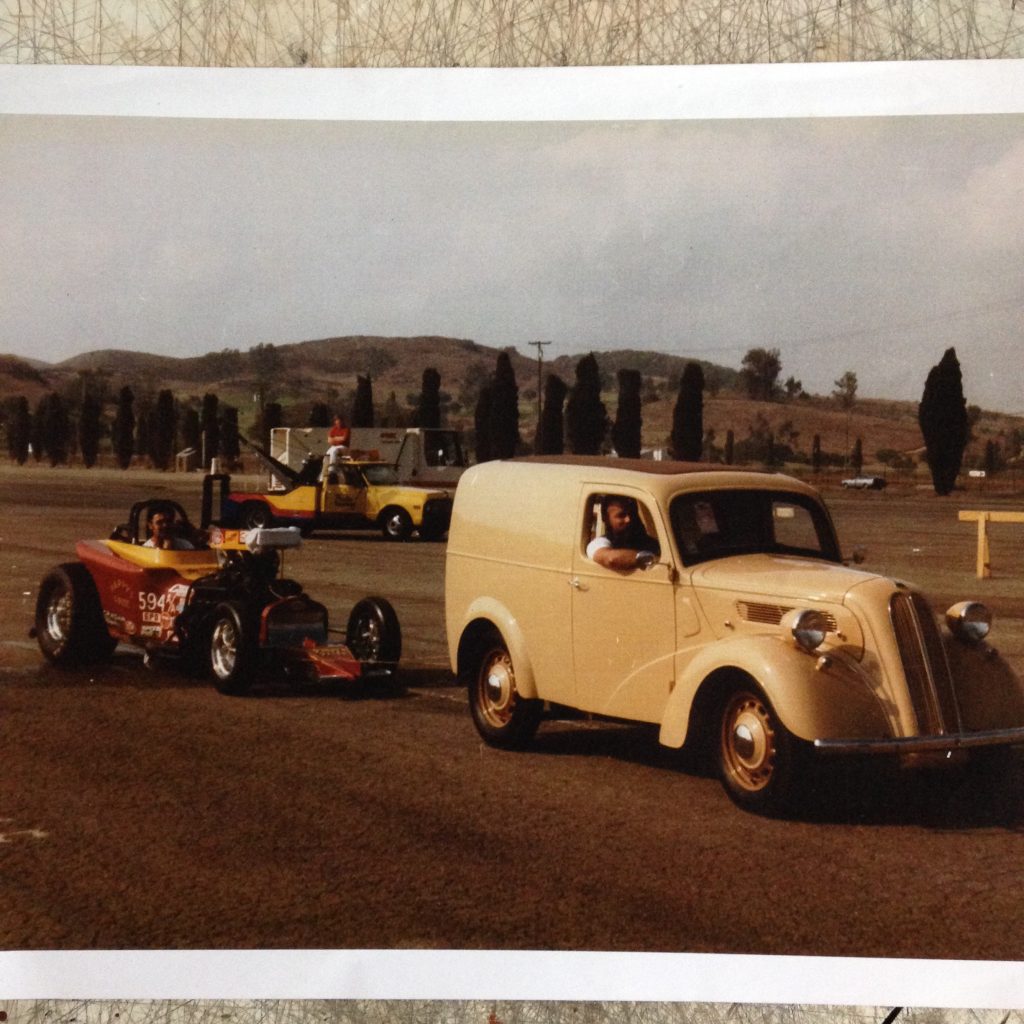
Ask Rick about his favorite car and the answer takes him right back to something he and his father built together.
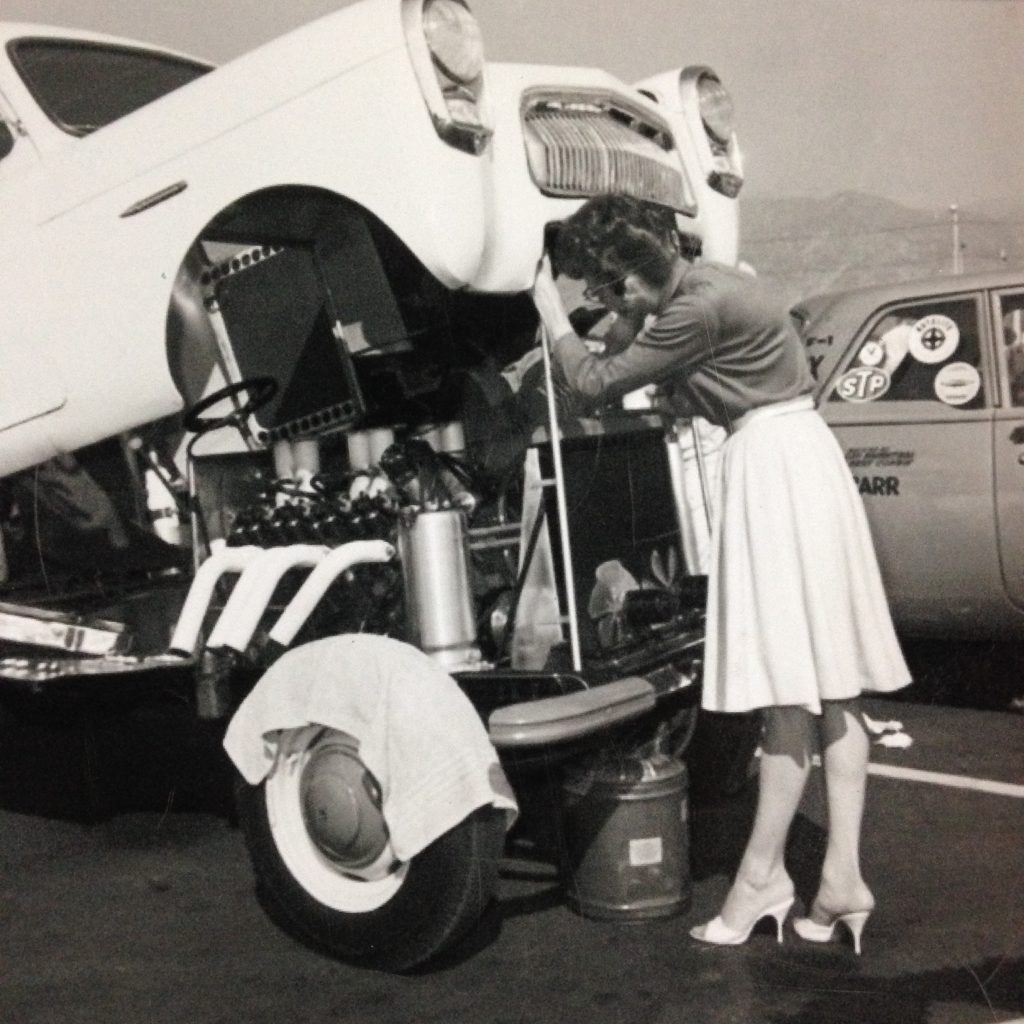
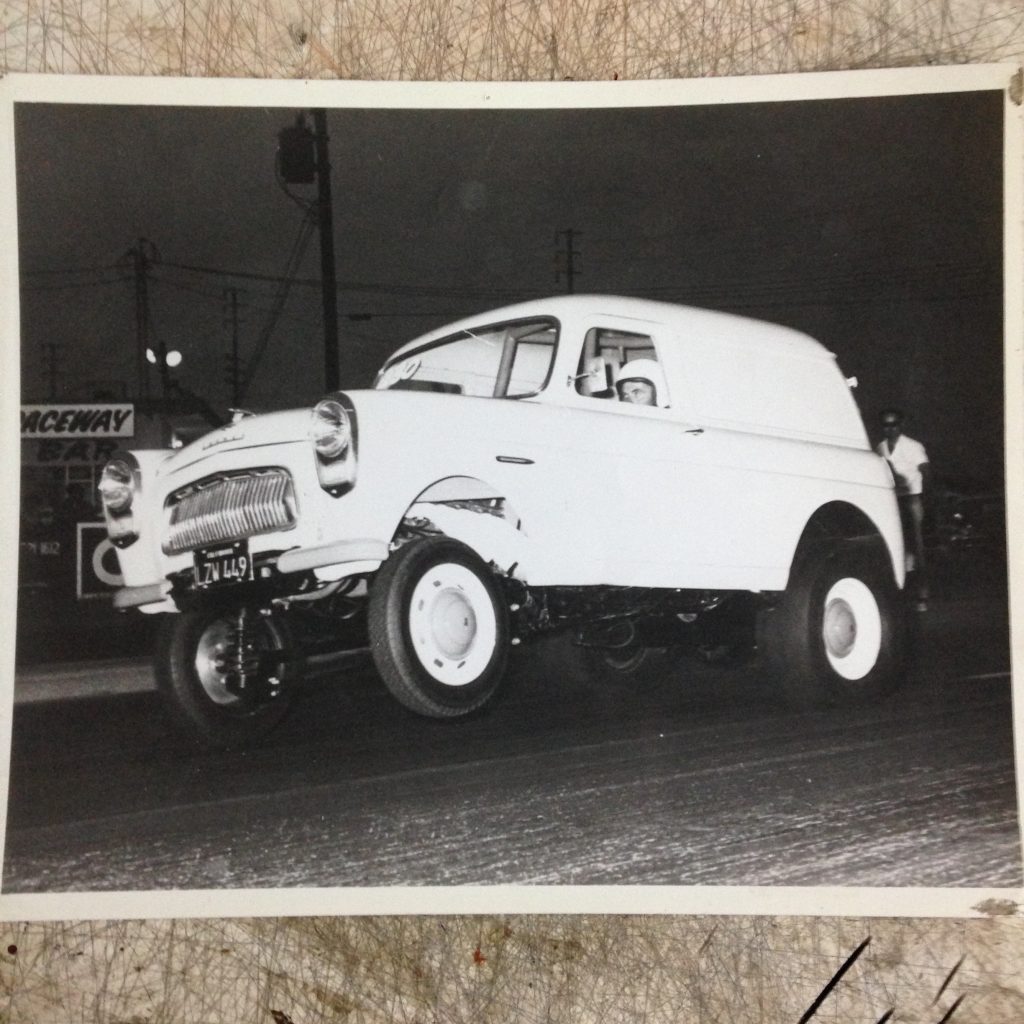
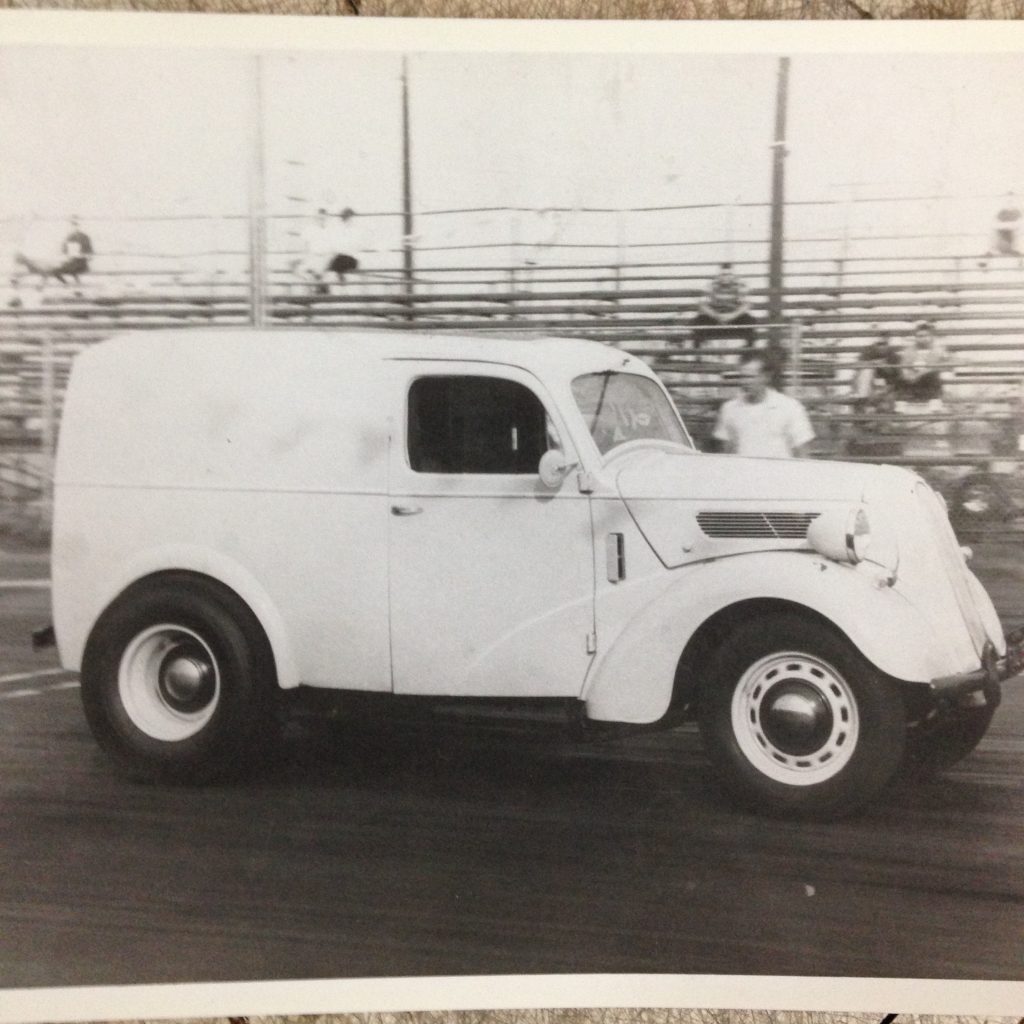
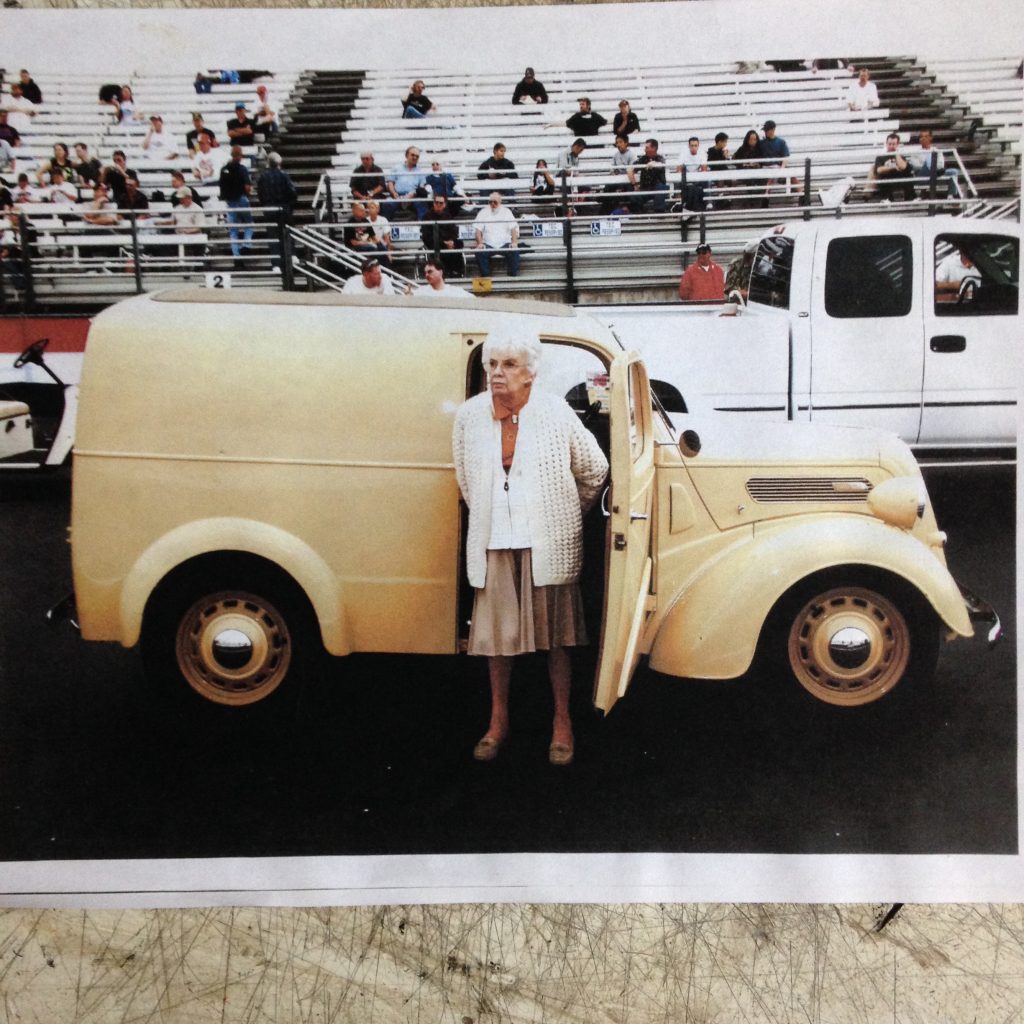
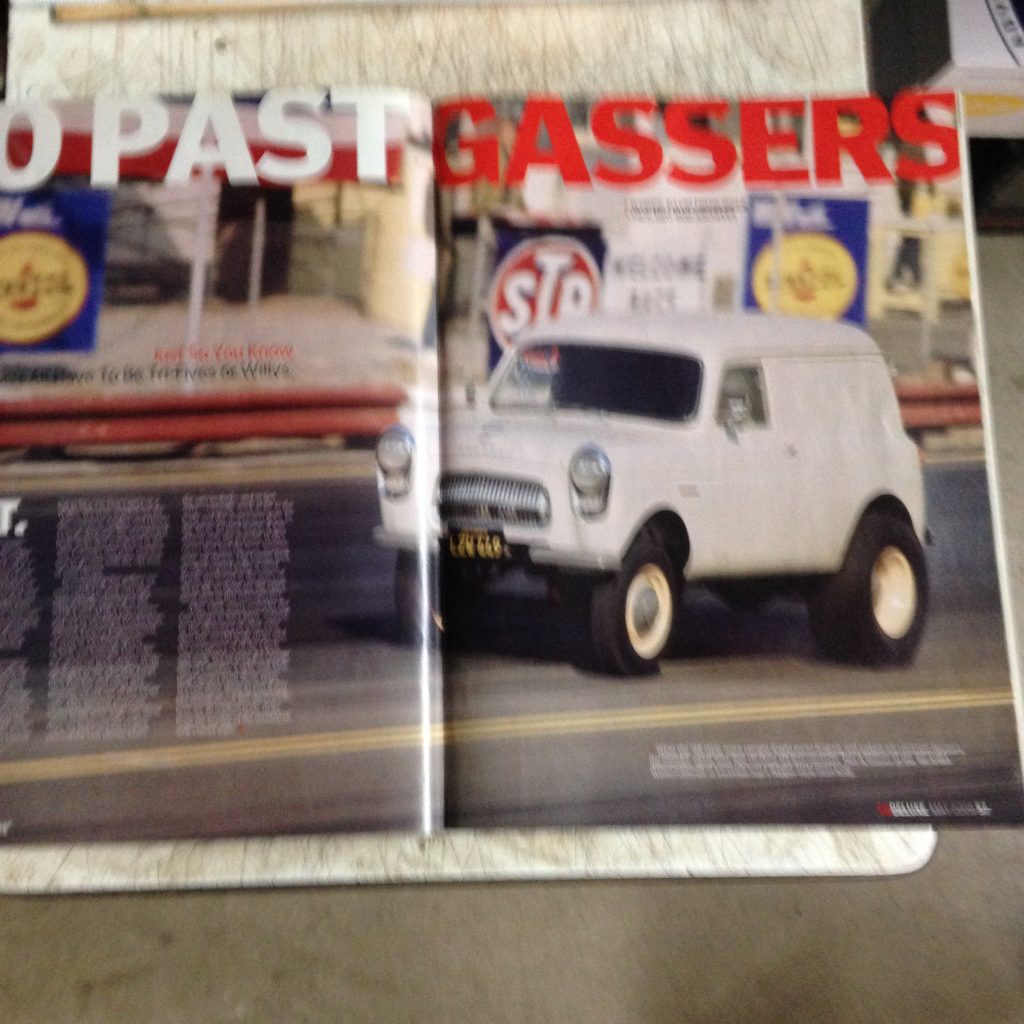
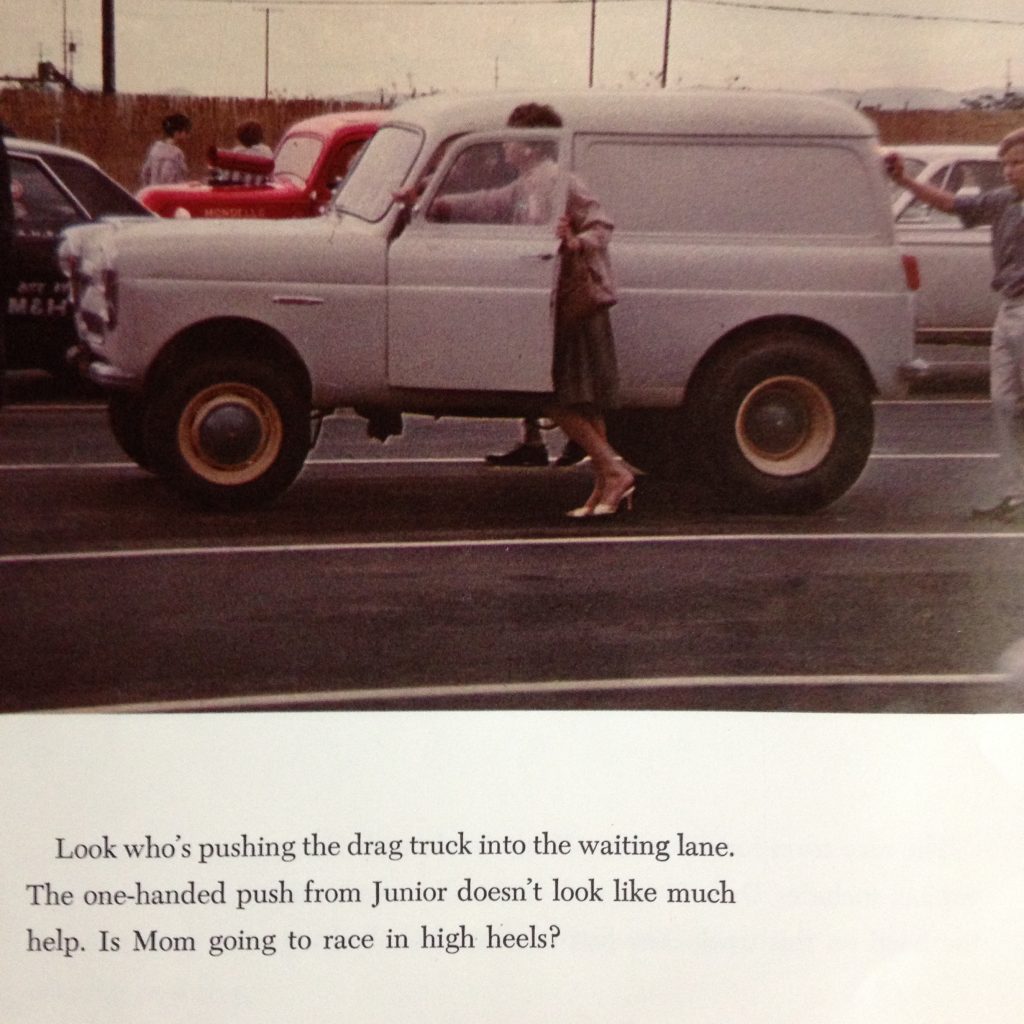
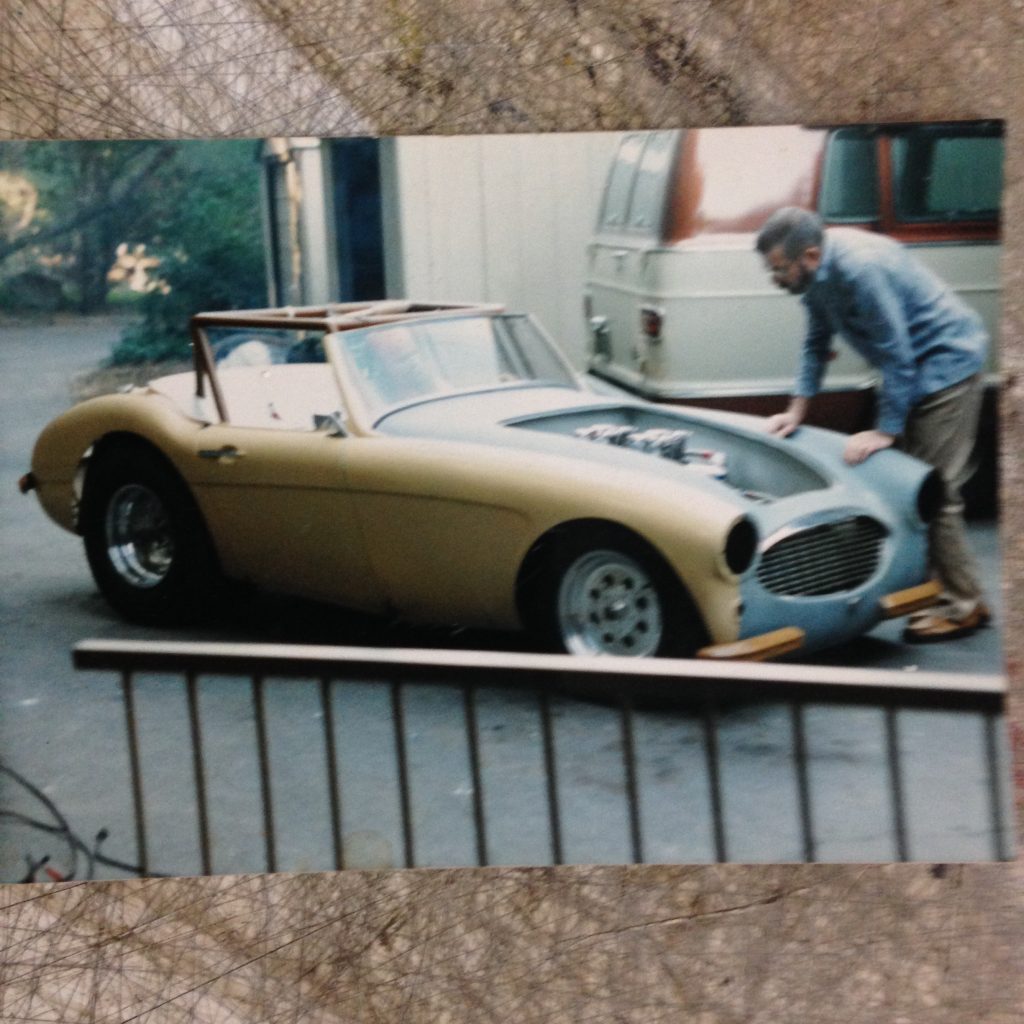
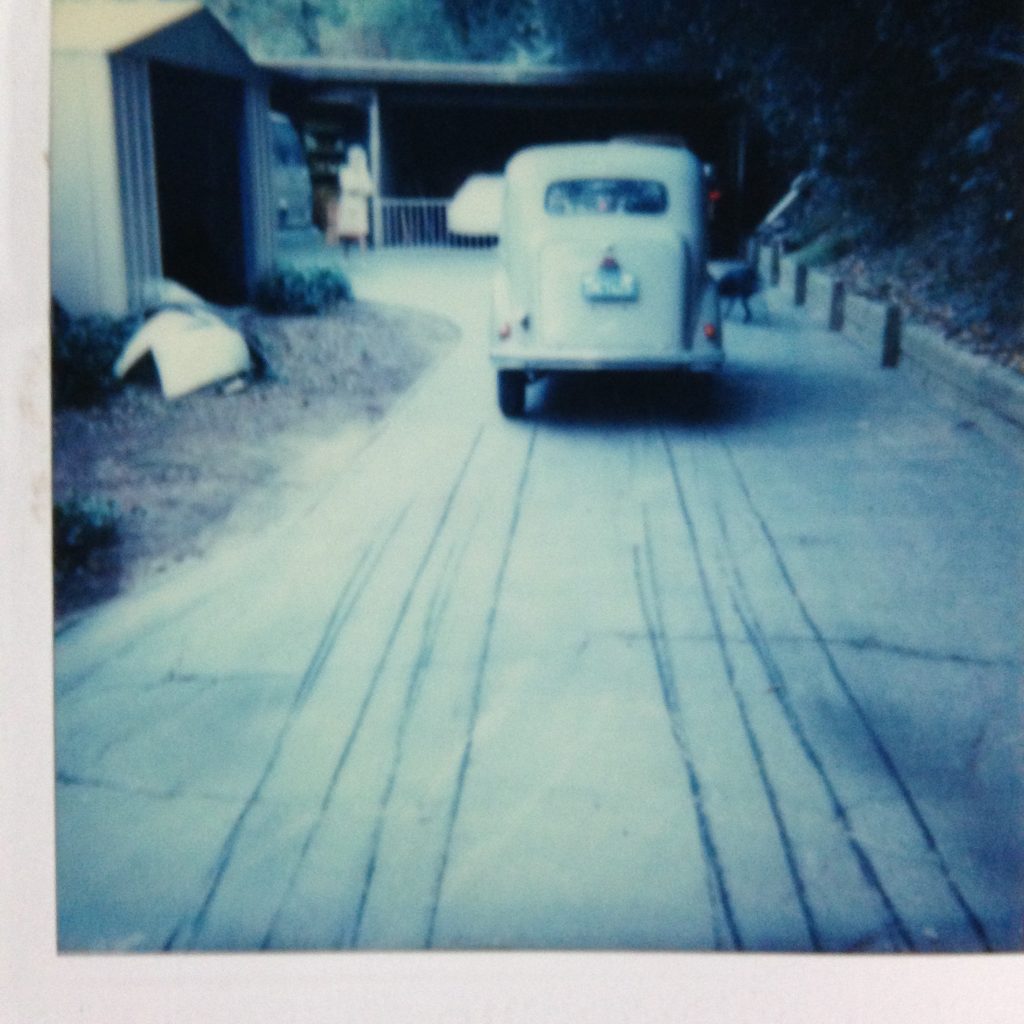
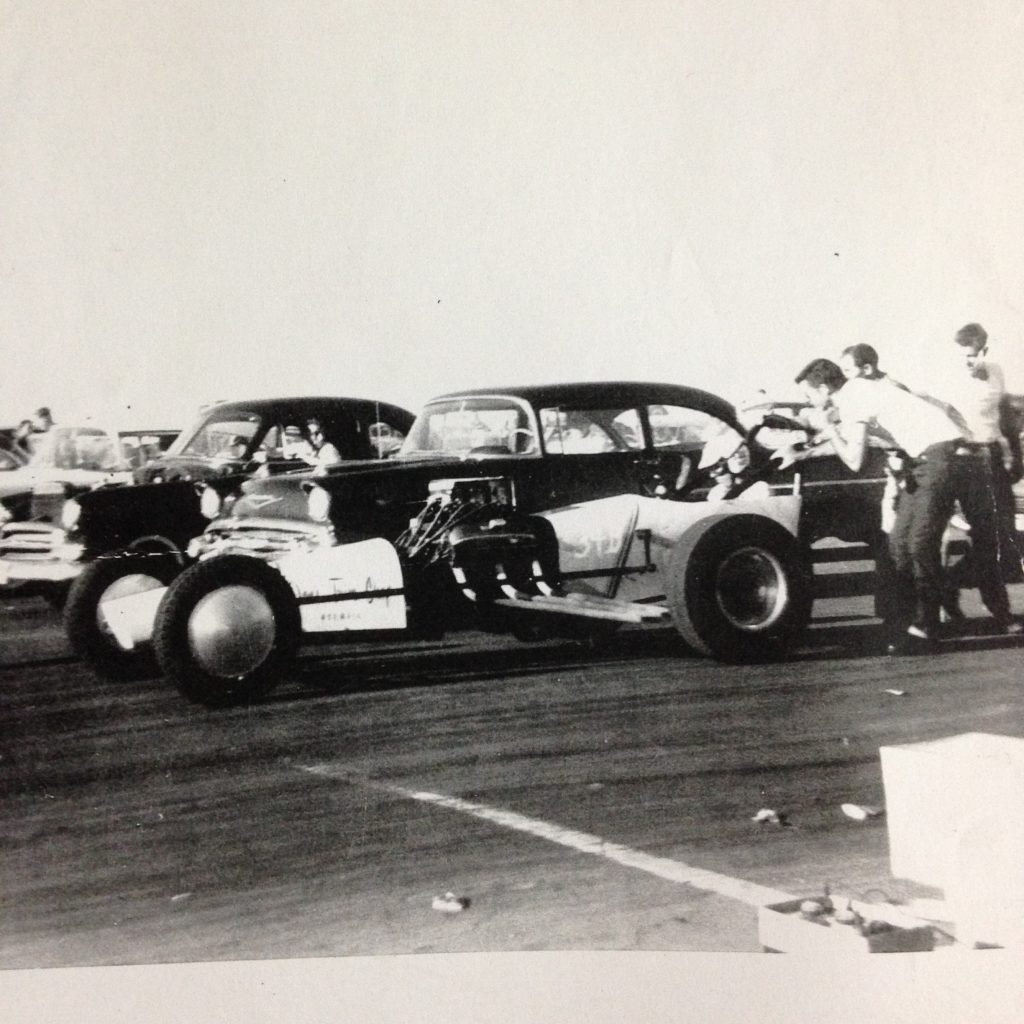
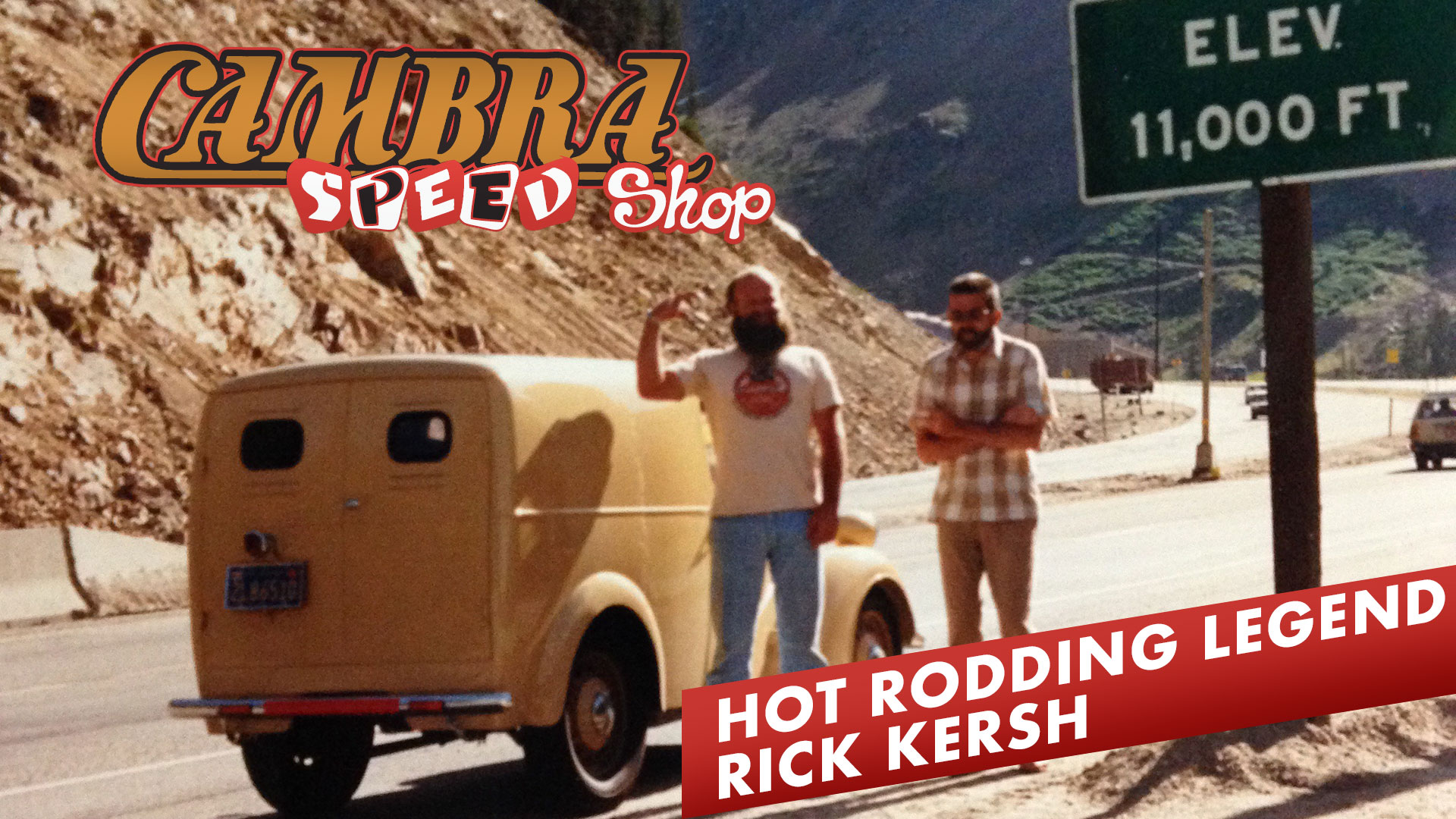
It was a 1957 English Ford Thames panel truck, transformed into a flip-top race machine during the mid-1960s.
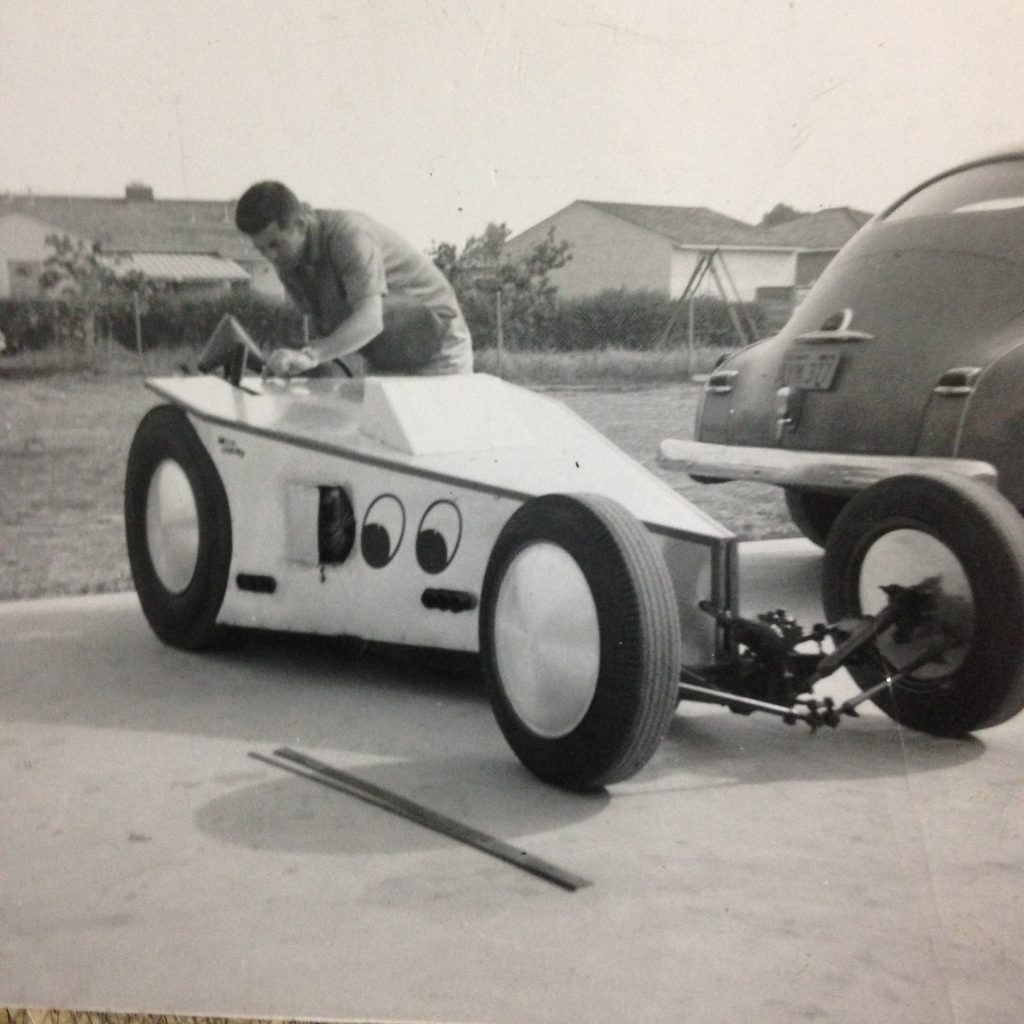
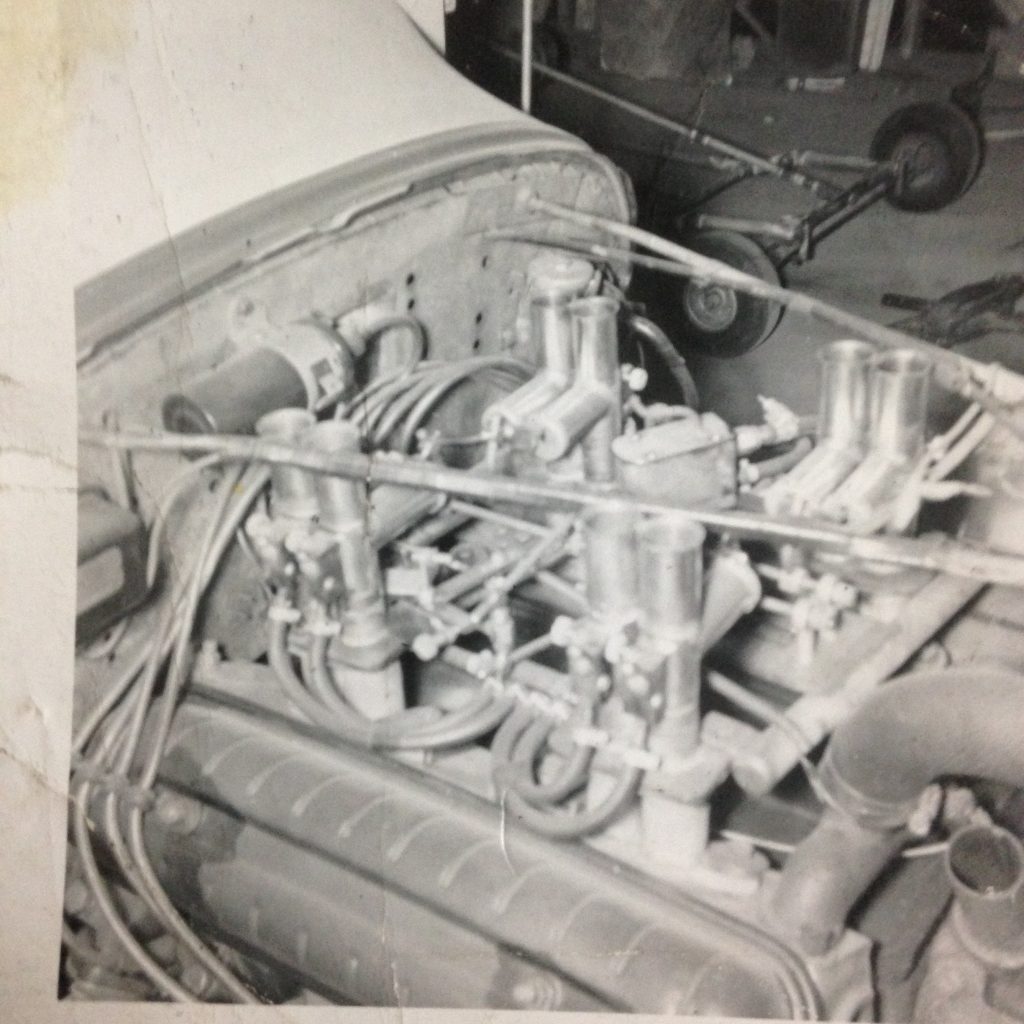
The little Thames originally ran a 413 Chrysler equipped with homemade fuel injection. Later, father and son swapped in a 427 Chevrolet—again running homemade injection. No online catalogs. No overnight parts delivery. No computer modeling. They figured it out and built it.
That attitude has followed Rick ever since.
Drag racing was a constant throughout his life, but his own automotive history started modestly. The first car he drove was a 1953 Ford powered by a six-cylinder engine. Later came a two-door 1962 Falcon wagon.
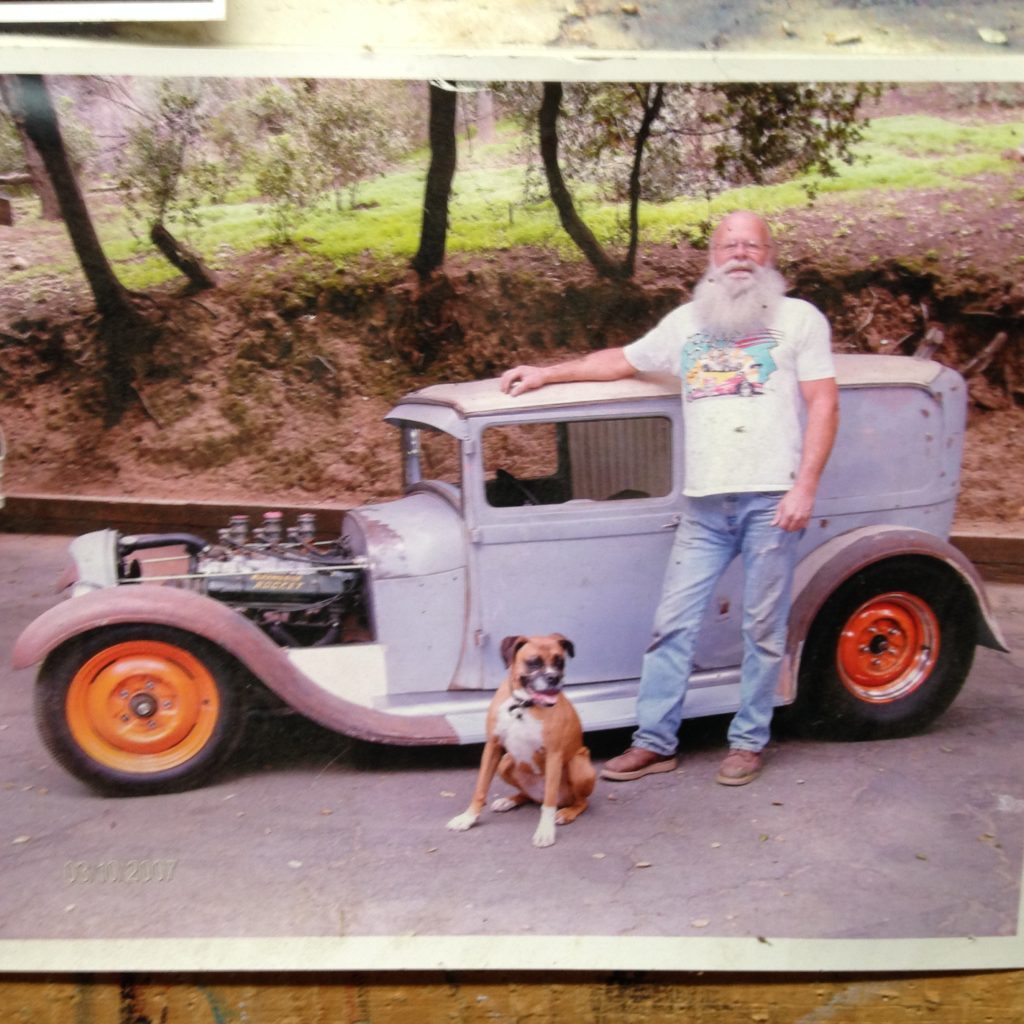
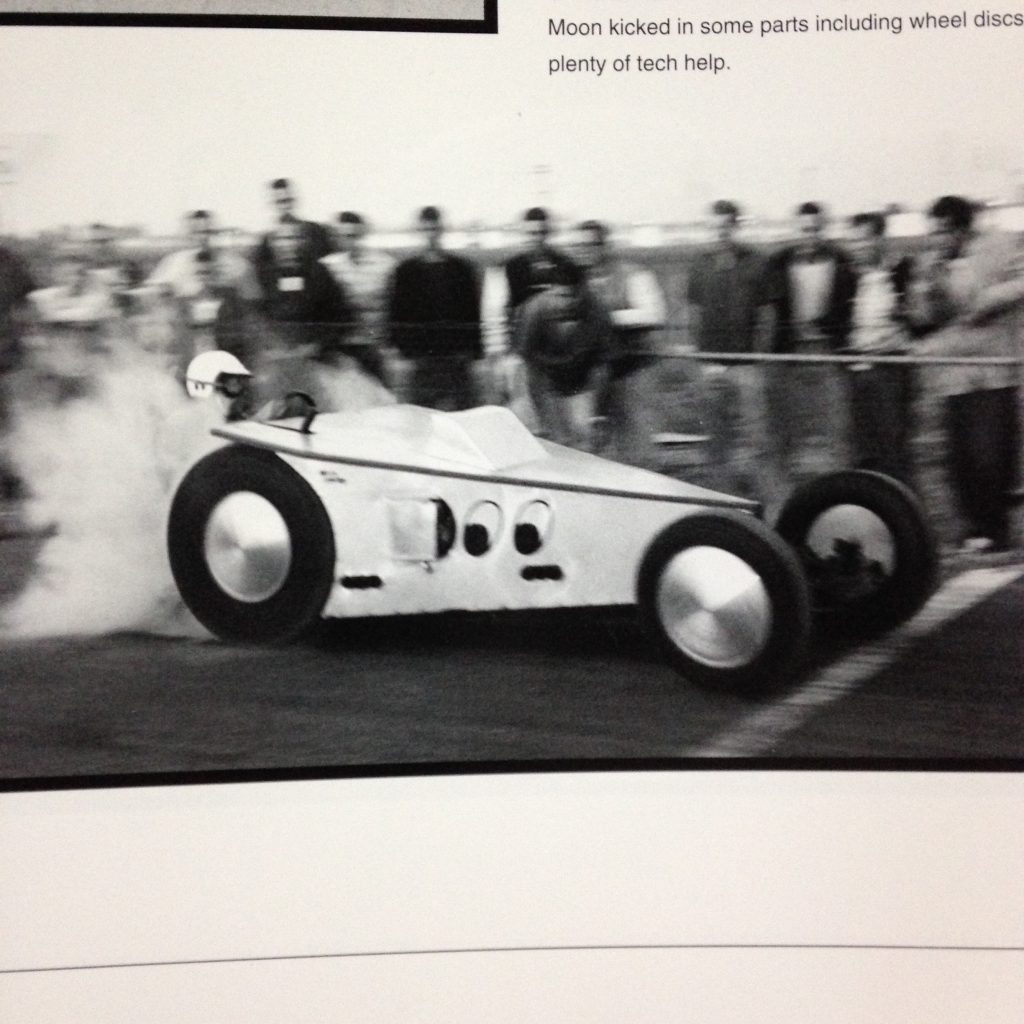
Then there was the car that started Rick down the hot rod-building road. At just 14 years old, he picked up a 1930 Model A Sport Coupe and started turning it into a proper hot rod. He never completely finished it, but he got it rolling with a 327 Chevy, Oldsmobile rear end and Muncie four-speed. And that transmission came directly from one of the most recognizable names in Southern California hot rodding. Rick remembers buying a brand-new Muncie four-speed from Dean Moon for about $150 sometime around 1966 or 1967.
Different times.
Before Cambra, There Were Signs
Cars may have always been part of Rick’s life, but professionally, he spent most of his career doing something completely different.
Rick was a sign maker.
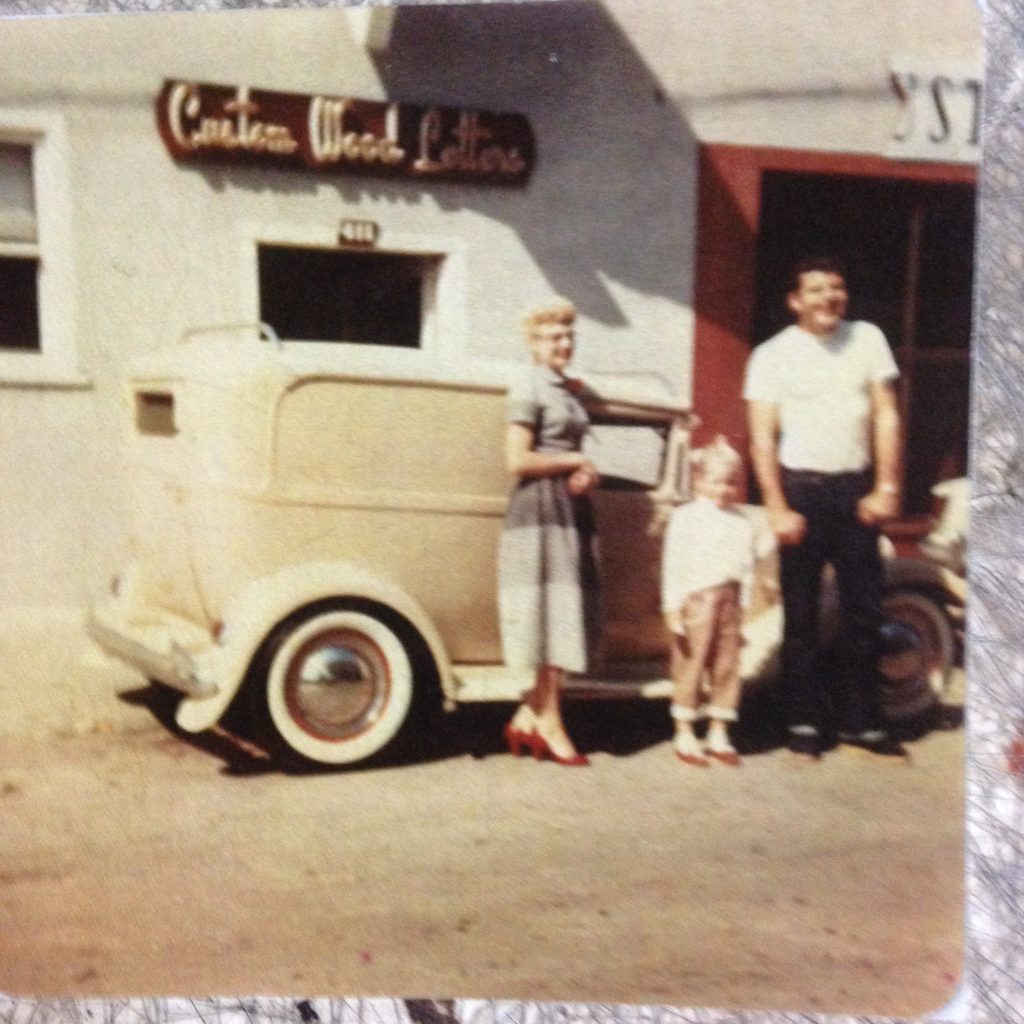
His mother and father started the family sign business in 1946, and the business technically remains active today. Rick grew up learning traditional sign-making skills that required the same sort of patience, craftsmanship and eye for detail he now applies to metal fabrication.
He learned hand lettering. He carved wooden signs. He fabricated aluminum plate letters and cut them individually on a band saw. His father operated a sign shop in Newport from the late 1940s through the early 1960s, located across from the old sailmaker’s shop on 29th Street. Rick followed that trade for decades and spent virtually his entire working life self-employed.
In fact, Cambra Speed Shop became the first place Rick had ever worked for somebody else.
Some of his sign work is still around today. Rick says lettering he completed 30 or 40 years ago can still be found on walls at Michigan State. For a craftsman, there is something satisfying about that. You make something properly, and decades later it is still doing its job.
A Family Tradition of Working With Your Hands
Rick’s father helped establish that mindset.
After serving in the submarine service during WWII, his father returned home and went to work for a highway-building company in Michigan, painting massive 10-by-50-foot highway signs year-round. After roughly three years of Michigan weather, he decided he had enough. California was calling.
That move west eventually helped place Rick right in the middle of the Southern California car culture that would shape much of his life. The connection between Rick’s sign-making background and his fabrication work may not seem obvious at first, but the philosophy behind both is nearly identical. Measure it. Visualize it. Shape the material. Solve the problem. Then make it right. That last part may describe Rick better than anything.
“I just like fabricating,” he says. “Building things and making things work… and just making things right.”
Still One Car Left to Build
Even after a lifetime around race cars and hot rods, Rick still has a dream project waiting in the back of his mind.
A Fiat Topolino. Not a chopped-up, bare-bodied version either. Rick wants a full-fendered Topolino. Years ago, he actually owned a stock hardtop and had plans to build it with a 454 Chevy and Nash five-speed tucked beneath the original-style body and fenders. He even had the project drawn out before life got in the way. Money was needed elsewhere, and the Fiat was sold. The idea never disappeared.
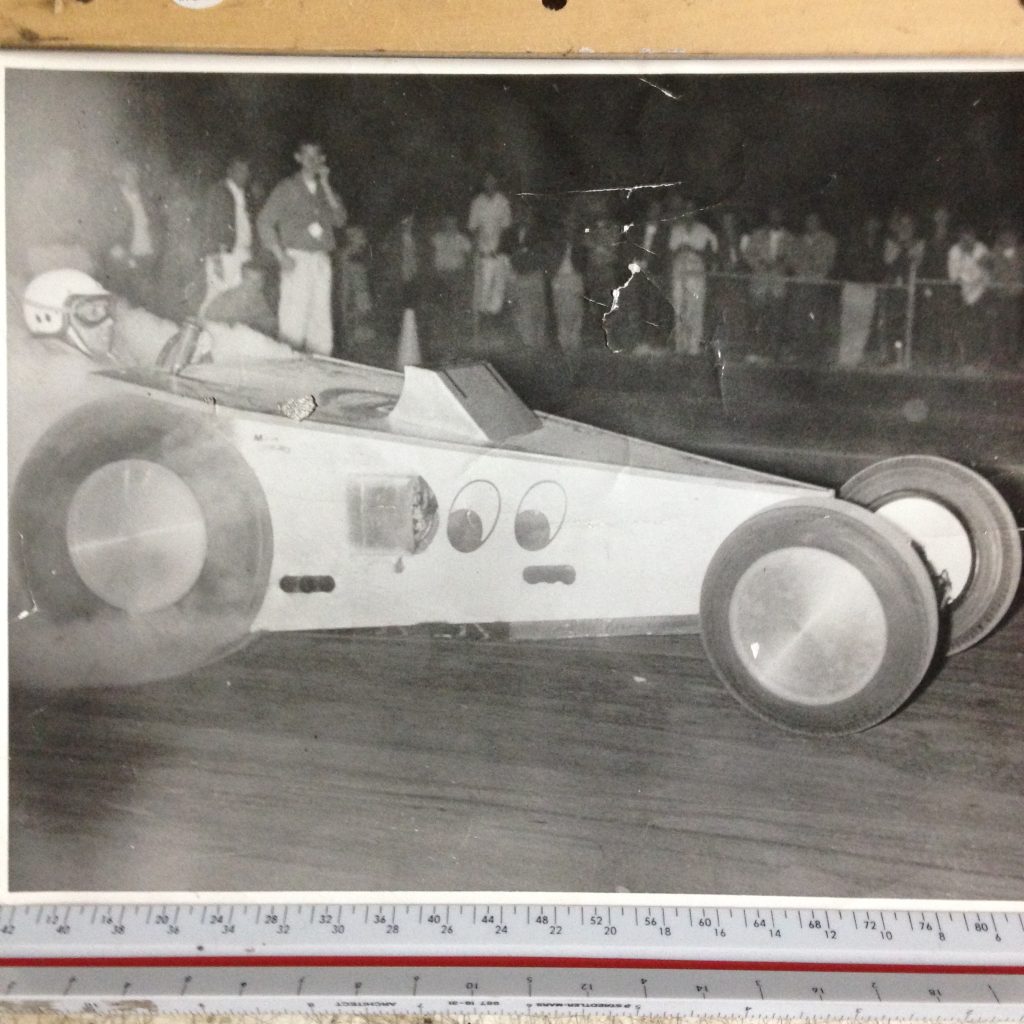
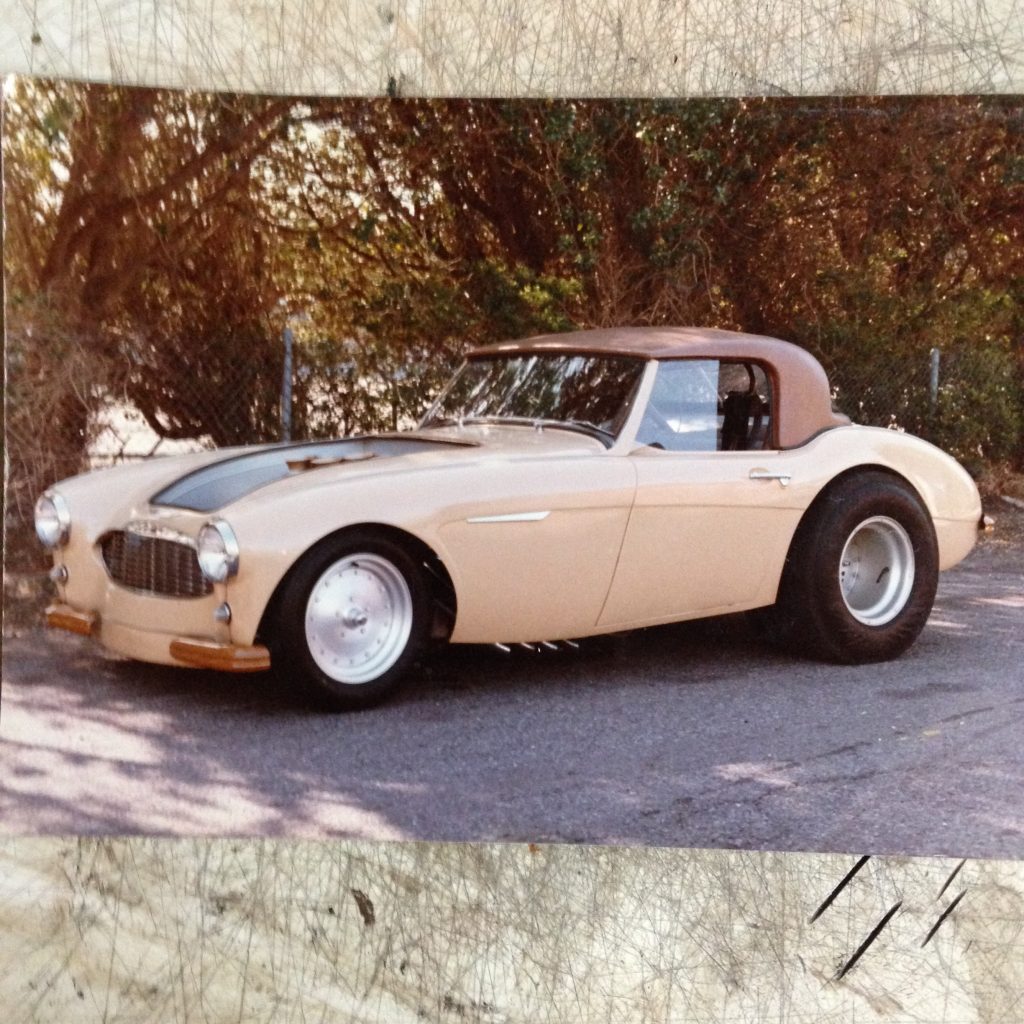
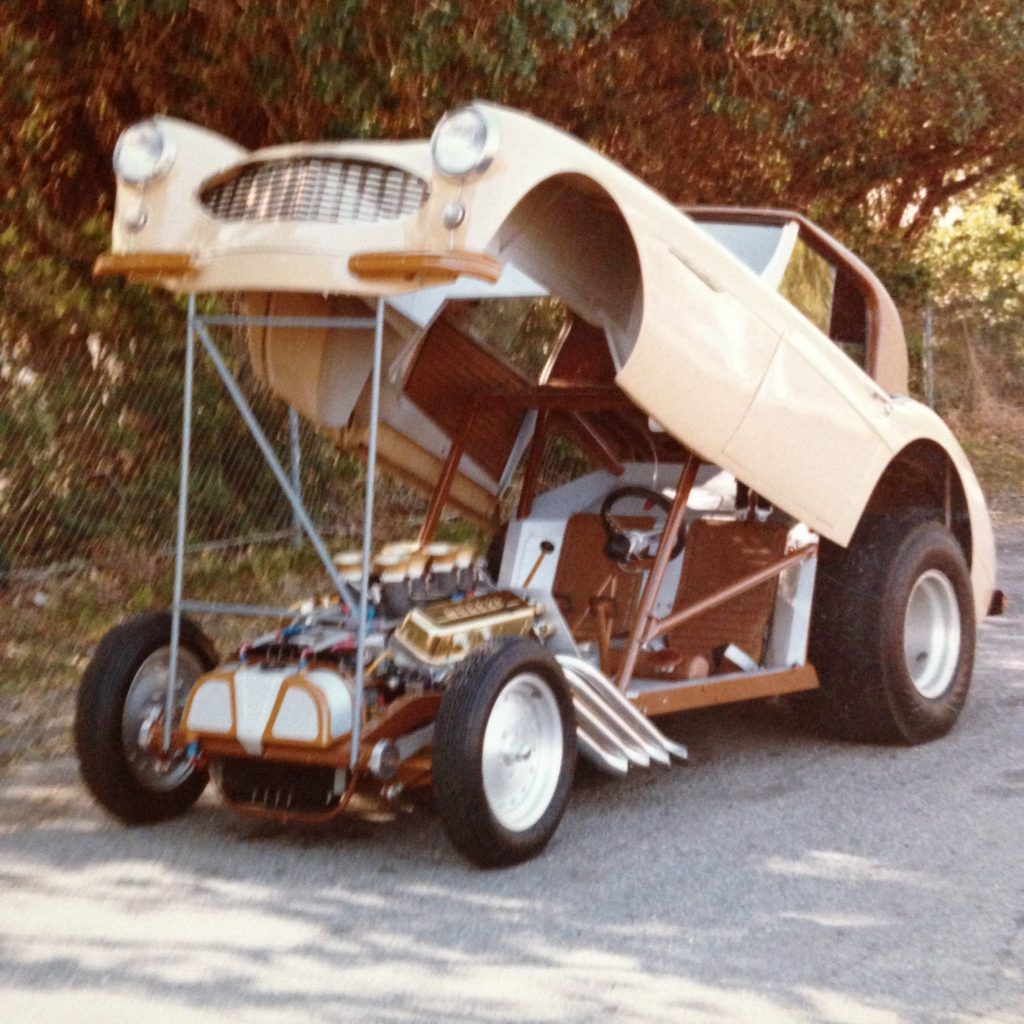
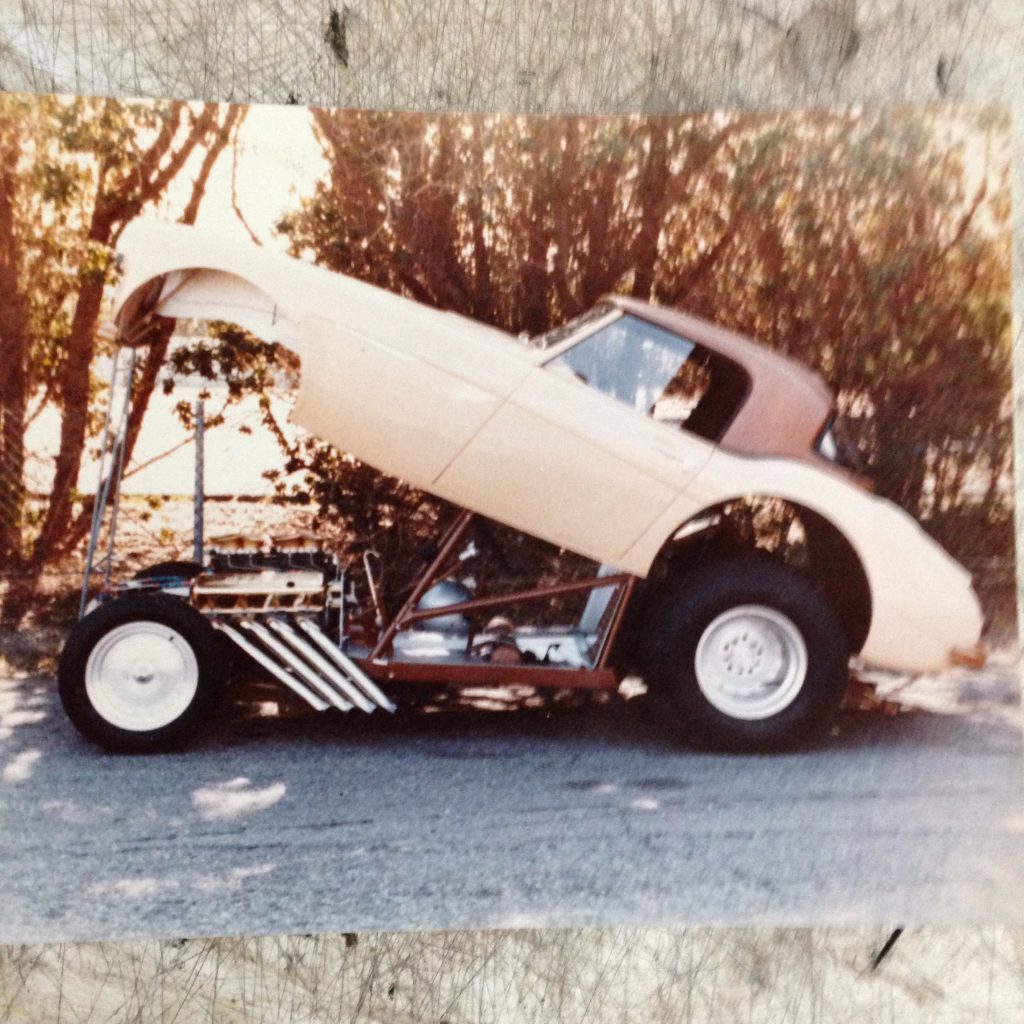
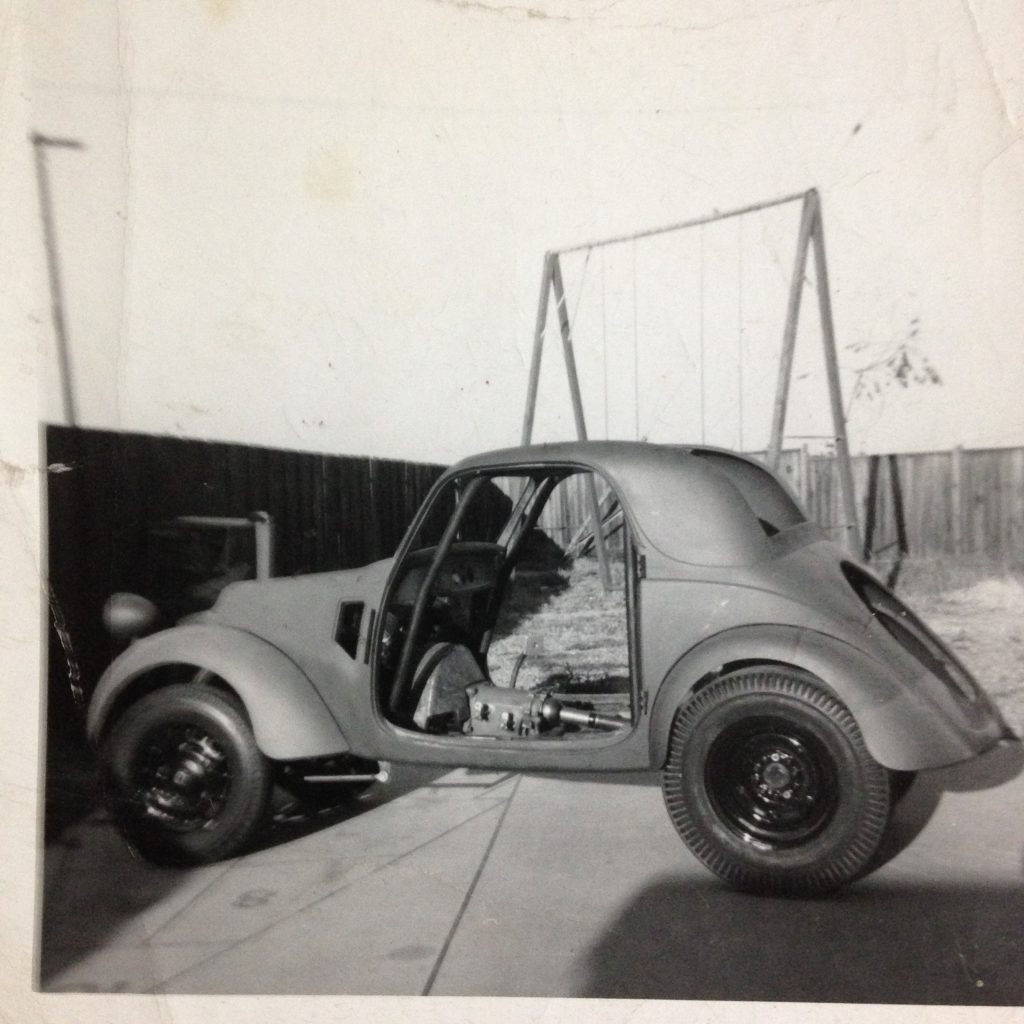
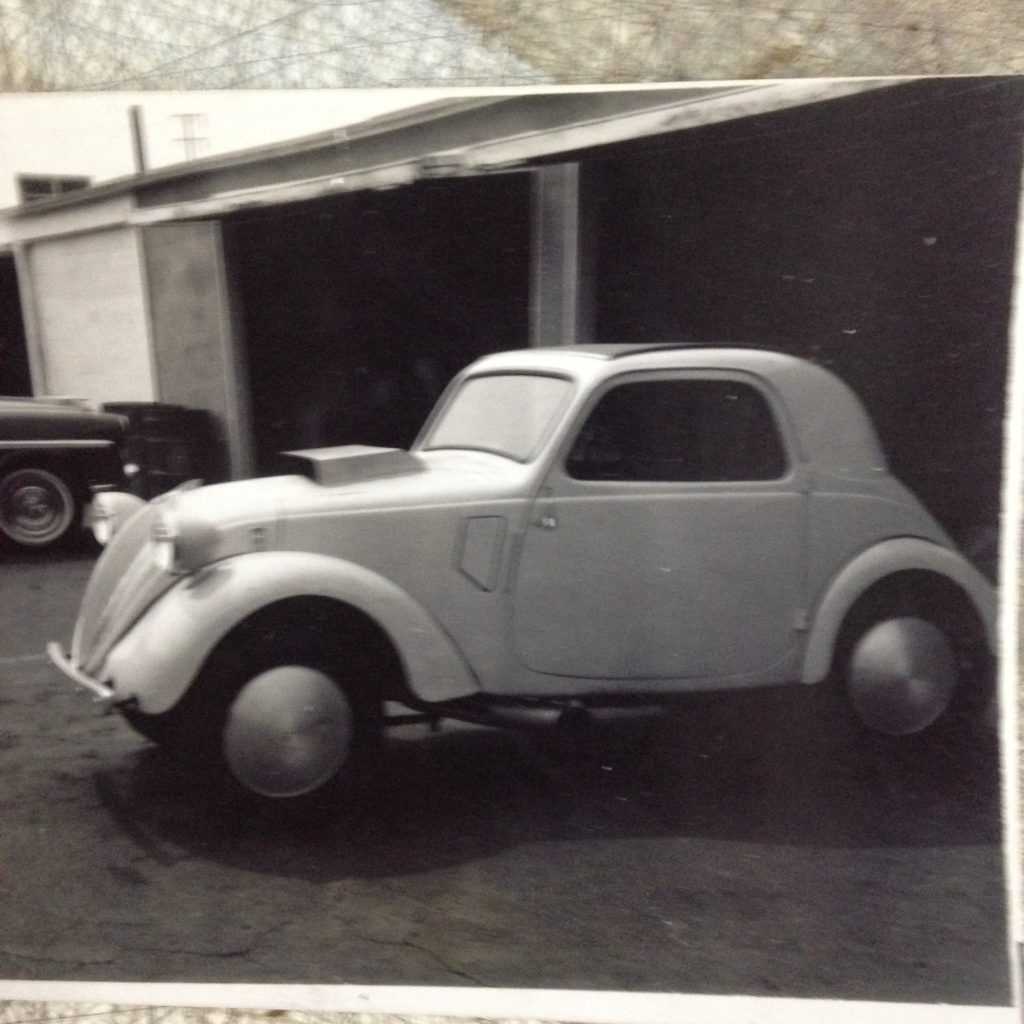
His father had built a Topolino powered by a Cadillac engine sometime around the late 1950s or early 1960s, and Rick has always liked the little Fiats with their fenders intact.
Maybe someday.
It Ain’t Over Yet
Rick originally came to Cambra Speed Shop because the crew knew he had spent his life messing with cars and could help. A dozen years later, he is still there. That may be the best endorsement of the place you could ask for. After spending nearly an entire career working for himself, Rick had a simple arrangement with shop owner Ron Cambra. He would stay as long as he was having fun. So far, nothing has changed.
“It’s just been a fun ride so far,” Rick says, “and it ain’t over yet.”
Then comes the line that probably sums up Rick Kersh better than any résumé ever could:
“I told Ron I’d be here until it wasn’t fun anymore. And it’s still fun, so I’m still here.”
At Cambra Speed Shop, that means there are still cars to build, problems to solve and plenty of metal left to shape.